
CPU COMMUNITY ENGAGEMENT & SERVICE-LEARNING CENTER

 |  |  |  |  |  |
|---|
CESL CENTER:
THE UNIVERSITY EXTENSION ARM
The CESL Center at Central Philippine University focuses on outreach, which is one of the three main roles of HEIs. The Center works under the Vice President for Research, Development, and Extension. It offers community programs focused on Christian values and aims to promote economic development, empowerment, and self-reliance.
PROGRAMS AND SERVICES
T.A.C.T.I.C.S
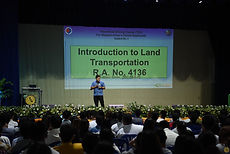
TRAINING PROGRAMS
non-degree, non-credit courses offered by CPU colleges/units to target clients, with faculty members serving as resource persons. Training programs may also be conducted in collaboration with other colleges, units, or external agencies as necessary

ADVOCACY PROGRAMS
Issues of concern, including public policy and resource distribution decisions within political, economic, and social frameworks and institutions that directly impact individuals' lives. CESLC’s priority areas are climate change, transparency in governance, gender and development, and volunteerism.

COMMUNICATION AND INFORMATION
SERVICES
Information and Education Campaign (IEC) materials prepared to communicate and/or disseminate knowledge and skills in various forms including printed (comics, brochures, etc.), audiovisual (CDs or DVDs), or TV programs to be shown on the CPU Channel.
TECHNO TRANSFER, UTILIZATION, AND COMMERCIALIZATION
Technology developed by the college/unit through research, with the output now disseminated and utilized by potential users.

INTERVENTION RELATED AND DISASTER RESPONSES
rapid response operations to save lives and property after a disaster. CESLC helps to save lives and property through: (a) search and rescue; (b) evacuation of survivors; (c) setting up temporary accommodation; and (d) delivering necessities, provisions, and water to people in need.
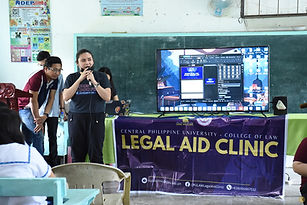
CONSULTATION, ADVISORY, AND TECHNICAL ASSISTANCE
Technical assistance and services that the college/unit could extend to agencies, organizations, associations, and other groups.

SERVICE-LEARNING SERVICES
services are related to one of the following indicators of rural development: social and cultural, economic, political, physical, environmental, and health.
PROGRAM E.R.N.E.S.T.
Program E.R.N.E.S.T. is a structured initiative by the University to adopt partner communities, focusing on holistic development through Education, Resource Utilization, Nurturance, Environment, Social Welfare, and Technology Transfer, while also promoting poverty alleviation and gender mainstreaming.

The University is committed to uplifting the quality of education in disadvantaged adopted communities. The resources can facilitate libraries, tutorials, literacies, and capacity building of the communities, empowering them to pursue knowledge and unlock their full potential and Christian values.

The University can assist the adopted communities in determining their innate resources, how to use them properly, and foster the existing resources as a source of their sustainable livelihood, improving their standard of living.
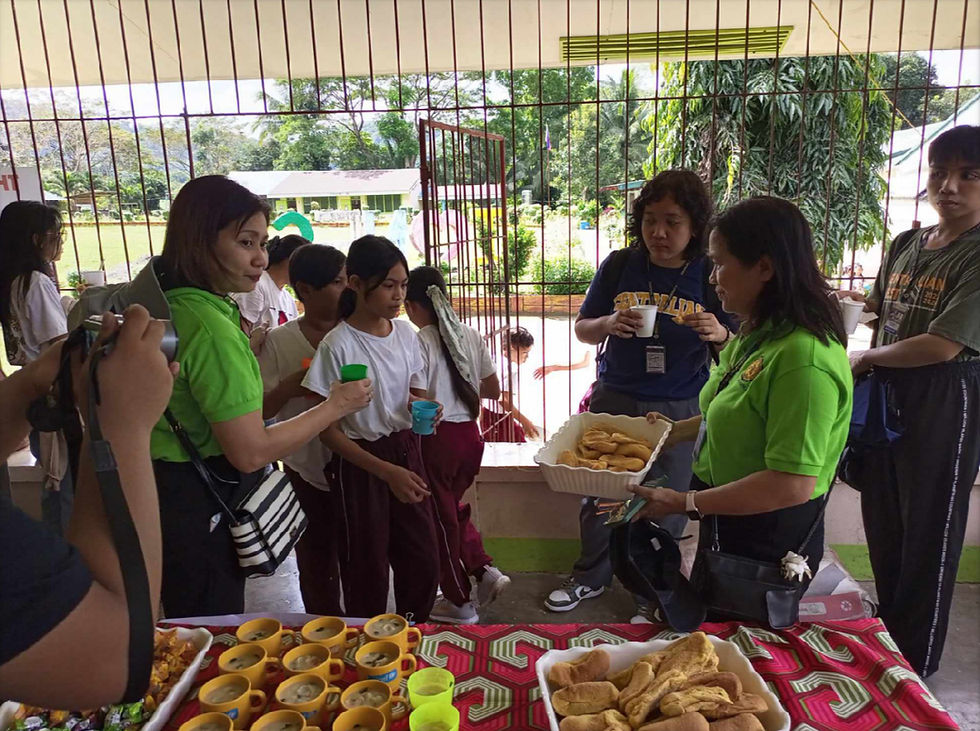
The University promotes holistic development and the well-being of disadvantaged communities through various programs on nutrition and health, as well as access to sources promoting nutrition and food security to empower communities towards healthier and more fulfilling lives.

The University is committed to addressing various environmental dilemmas faced by the adopted communities and the country. CPU actively orchestrates environmental rehabilitation initiatives and biodiversity conservation, empowering communities to become stewards of the environment and raise awareness for the next generation's future.

CPU offers aid to marginalized sectors such as women, indigenous peoples, the urban poor, and others, addressing the systemic inequalities and improving the quality of life through access to social services, programs, and community support systems. The communities can receive vital assistance and resources. Further, this can foster greater inclusivity, empowerment, and resilience, which may contribute to their long-term well-being and development.
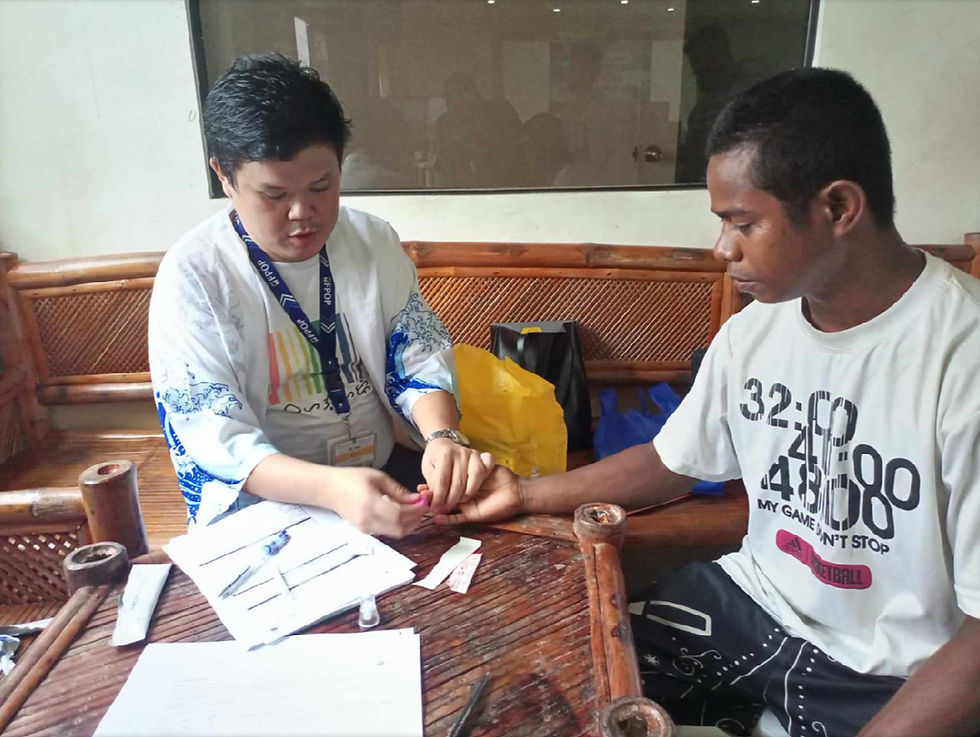
The University recognizes the importance of innovation and technology for nation-building to support knowledge transfer, expertise, intellectual property, and technology to the communities and industries. CPU stimulates entrepreneurship, job creation, and socio-economic growth in the adopted communities.

ADOPTED COMMUNITIES
AY 2024-2029

ADOPTED SCHOOLS
ADOPTED BRGYS
